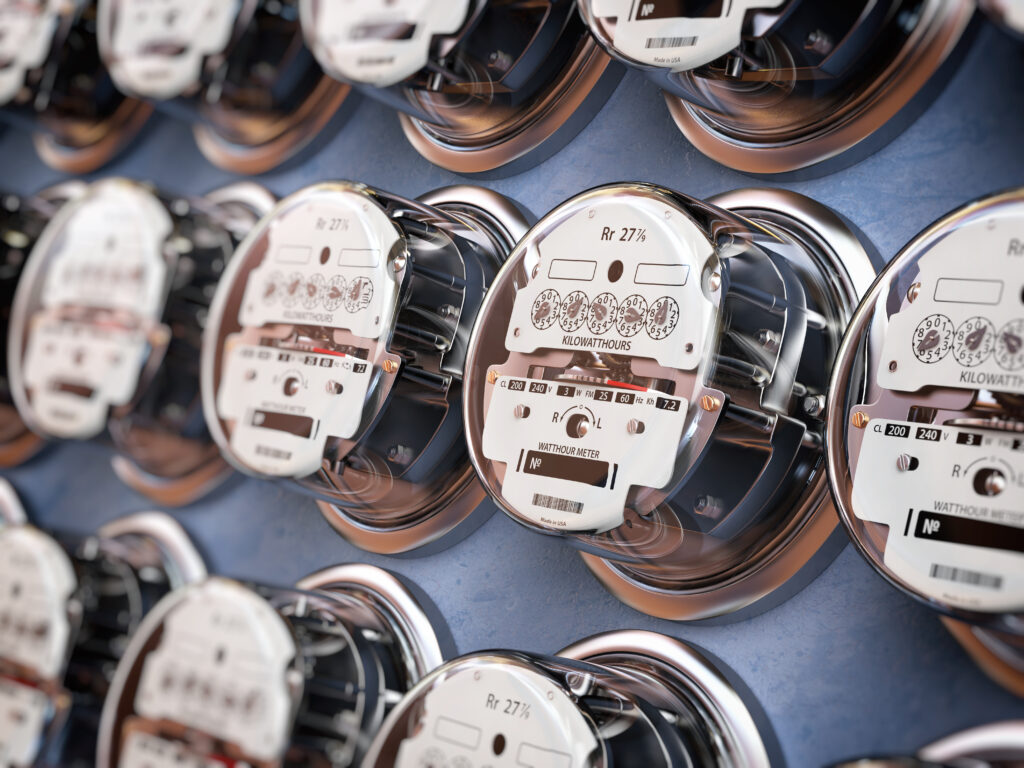
Los Angeles homeowners are often given California-wide solar advice that does not actually fit LADWP. That is a problem because the Los Angeles Department of Water and Power is a municipal utility with its own residential rates, net energy metering rider, interconnection process and incentive programs. A salesperson who models your project as if you were an SCE customer may produce the wrong savings estimate.
LADWP is not the same as SCE
California’s Net Billing Tariff, often called NEM 3.0, primarily applies to the large investor-owned utilities regulated by the CPUC: PG&E, SCE and SDG&E. LADWP maintains its own Net Energy Metering program. Do not assume SCE export-credit tables, time-of-use windows or fees apply to an address served by LADWP.
LADWP currently offers Standard Residential and Time-of-Use residential rate options. The exact charges appear in the applicable rate schedule and may include energy, tier, time-of-use, adjustment and service components. Your solar analysis should use the schedule shown on your actual bill.
How LADWP net energy metering works
LADWP’s Net Energy Metering Rider applies to eligible customer-owned solar, wind or hybrid generating systems located at the customer’s premises, generally up to one megawatt. Projects above 10 kW have additional agreement requirements. The Department makes the final determination about eligibility and interconnection.
That means a responsible proposal should identify:
- the LADWP rate schedule used in the forecast;
- how onsite solar consumption and exported energy are credited;
- the system’s expected monthly production, not only an annual total;
- the interconnection type, fees and expected approval timeline;
- whether a service-panel upgrade or other electrical work is included;
- which assumptions could change after LADWP reviews the application.
Does a Los Angeles home need a battery?
A battery can serve three different goals: shifting solar energy into evening hours, reducing exposure to time-dependent prices, and supporting selected loads during an outage. Those goals require different system designs.
For bill management, compare the proposed charging and discharging schedule against your LADWP rate. For backup power, list the circuits you actually need and calculate their wattage and runtime. A battery sold as “whole-home” may still be unable to start a large air conditioner or run every electric appliance simultaneously.
Use the Convert Green Battery Backup Planner before comparing battery brands or financing.
Current incentive paths to investigate
LADWP directs eligible customers to solar and storage programs that can materially change project economics. Its Self-Generation Incentive Program information describes support for income-qualified residential customers installing solar and battery storage. Availability depends on eligibility, funding and reservation status.
LADWP also maintains other solar programs, including Solar Rooftops and programs serving multifamily properties. These are not interchangeable with buying a standard customer-owned rooftop system. Ask who owns the equipment, who receives the energy or credits, what happens when the property is sold, and which maintenance responsibilities remain with the homeowner.
What changed federally in 2026?
Under current federal law, the homeowner Residential Clean Energy Credit expired for property placed in service after December 31, 2025. A 2026 proposal should not quietly assume the former 30% homeowner credit. Business-owned systems, leases and PPAs can involve different federal tax rules, but any claimed benefit should be explained by a qualified tax professional and reflected transparently in the contract.
Read our guide to solar without the former federal homeowner credit for the questions this change creates.
Seven questions for a Los Angeles solar quote
- Does this model use my exact LADWP rate schedule?
- How much solar is used onsite and how much is exported each month?
- What LADWP credit treatment is assumed for exported energy?
- Is a battery modeled for bill savings, backup power, or both?
- What interconnection, permit, panel and roofing costs are excluded?
- Which incentive is included, and has my eligibility or funding reservation been confirmed?
- What happens to the payment, equipment warranty and utility assumptions if production is lower than forecast?
Comparing an LADWP solar proposal?
Share the rate, cash price, production estimate and battery assumptions. We’ll help you identify what needs verification before you sign.
Official sources
- LADWP residential electric rates
- LADWP EV, NEM and renewable-energy rates
- LADWP solar and battery interconnection
- LADWP residential solar programs
- LADWP Self-Generation Incentive Program
- IRS Publication 523, 2025 edition
Featured photo: Angie Pham via Unsplash.