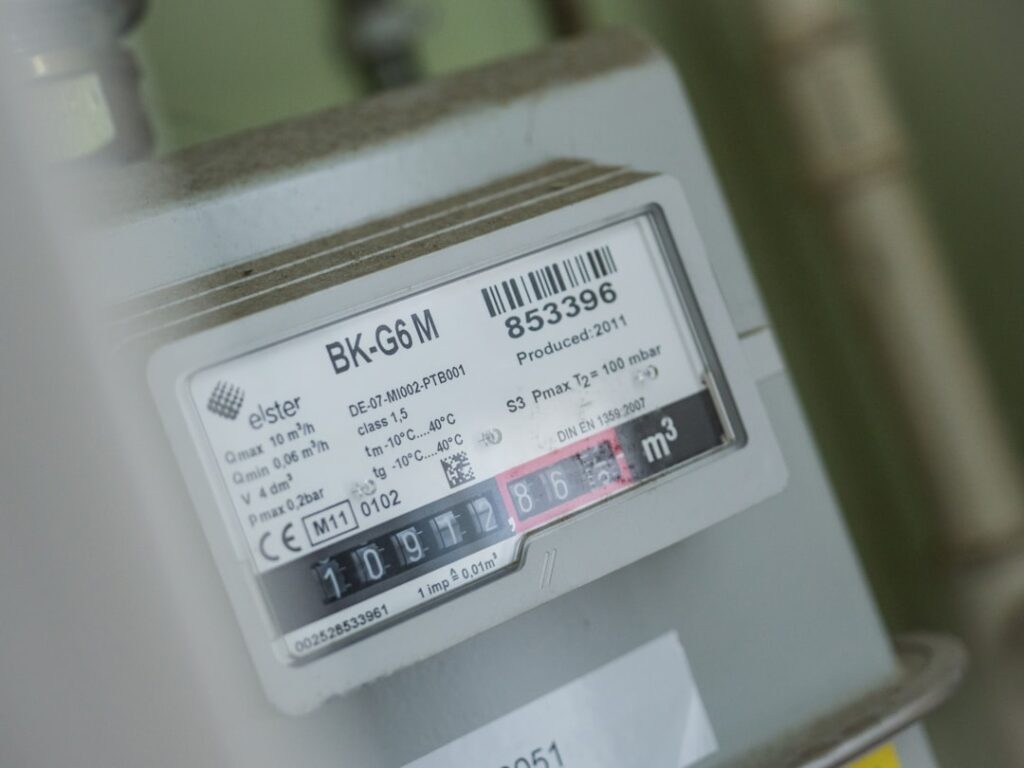
Net metering is a billing arrangement for a grid-connected solar system. When your panels make more electricity than your home is using, the extra power flows to the grid and your utility records an export credit. When your home needs more than the panels are producing, you buy electricity from the grid.
The important catch is that “net metering” is not one nationwide program. Credit values, fixed charges, rollover rules, system-size limits and annual true-ups vary by state, utility and customer class. A proposal should use your actual tariff, not a generic assumption that every exported kilowatt-hour offsets a purchased kilowatt-hour at the full retail rate.
Net metering, net billing and other arrangements
Retail-rate net metering
Under a traditional retail-rate design, an exported kilowatt-hour may offset a kilowatt-hour bought at roughly the retail energy rate. Even then, fixed customer charges, minimum bills, non-bypassable charges and taxes may remain.
Net billing
Under net billing, imports and exports are valued separately. You may pay the normal retail rate for electricity you buy and receive a lower export credit for electricity sent to the grid. The export rate may be fixed, time-varying or based on an avoided-cost calculation.
Buy-all, sell-all
Some programs meter all solar production separately from household use. The utility buys the production under one rate and bills all household consumption under another. That is different from using solar energy in the home first and exporting only the remainder.
The U.S. Department of Energy’s homeowner guide notes that modern billing is rarely as simple as a meter “running backward.” The DSIRE policy map is a useful starting point, but the controlling document is still the current tariff or program page from your own utility.
How solar changes a utility bill
A solar bill can contain four different buckets:
- Electricity used directly: Solar power serving the home in real time. This can avoid a retail purchase.
- Electricity exported: Excess production sent to the grid and credited under the applicable export rule.
- Electricity imported: Grid power used at night, during poor weather or whenever demand exceeds solar output.
- Charges that remain: Customer charges, minimum bills, demand charges, taxes or other tariff items that solar may not offset.
That is why two homes with the same annual solar production can have different savings. A home that uses more power while the sun is shining may avoid more retail purchases. A home that exports most of its production may depend more heavily on the export-credit rate.
A better way to estimate savings
- Collect at least 12 months of electricity use and bills.
- Identify the exact tariff, including time-of-use periods and fixed charges.
- Estimate hourly or monthly solar production using a tool such as NREL PVWatts.
- Estimate how much production will be used in the home and how much will be exported.
- Apply the current import and export rates separately.
- Model rate changes, panel degradation, financing costs, maintenance and realistic downtime instead of showing only a best case.
A battery can shift some daytime production into evening hours, but it adds cost, conversion losses, capacity limits and replacement risk. It should be modeled as a separate decision. Use our battery backup planner to define the loads and duration you actually need.
Questions to ask before signing
- What is the official name and link for my current tariff?
- How are exports valued, and can that value change by time or season?
- Do unused credits roll forward, expire or settle at a year-end true-up?
- Which fixed, minimum or non-bypassable charges remain?
- Are there interconnection fees, insurance requirements or system-size limits?
- Will moving, changing rates or adding a battery change the agreement?
- Does the proposal separate utility-bill savings from tax, financing and property-value assumptions?
In California, for example, the regulator distinguishes legacy net-energy-metering arrangements from the newer net-billing tariff; its current NEM and net-billing page is the appropriate place to check those program details. Other states and utilities use different rules.
Net metering does not provide outage power
Most grid-connected solar inverters shut down during a utility outage to protect line workers and equipment. Keeping selected circuits on requires equipment designed for backup operation, which can include a compatible inverter, transfer or isolation equipment, a protected loads panel and usually a battery. “Solar installed” and “whole-home backup” are not interchangeable claims.
Bottom line
Net metering can improve solar economics, but the value comes from a specific tariff applied to a specific home’s timing of consumption and production. Ask for the current utility source, separate imports from exports, include every charge that remains and treat any savings forecast as an estimate rather than a guarantee.