AI data centers are becoming a major electricity customer. That does not mean a national demand forecast can tell you how much your next electric bill will rise. For households, the useful questions are local: what is being built, who pays for the grid upgrades, and what your own rate plan rewards.
Sources checked October 23, 2026. This explainer distinguishes modeled estimates, future scenarios and household decisions. It is not a prediction of your utility bill or a recommendation to buy backup equipment.
What the newest U.S. estimate actually says
Lawrence Berkeley National Laboratory’s June 2026 update estimates that U.S. data centers used 192 terawatt-hours in 2024, about 4.7% of U.S. electricity. That is a modeled historical estimate, not a complete meter-by-meter count. It covers data centers overall, not AI alone, and excludes cryptocurrency mining.
For 2030, the report’s reference scenario reaches 649 TWh. Combining its high and low assumptions produces a much wider 521–843 TWh range. These are scenarios, not electricity already consumed or a guarantee of what will happen. Equipment shipments, utilization and technology changes affect the result.
Two distinctions prevent misleading headlines: a gigawatt of requested connection capacity is not a terawatt-hour of annual consumption, and an announced project is not necessarily an operating facility. Always check the year, geography, unit and whether the figure describes all data centers or only AI.
A global forecast is not a local bill forecast
The IEA’s 2026 outlook projects global data-center electricity use rising from 485 TWh in 2025 to roughly 950 TWh in 2030, about 3% of global electricity demand. It also highlights local concentrations and infrastructure constraints. That global share cannot be applied to your town, utility or household bill.
Electricity prices reflect more than computing demand. The U.S. Energy Information Administration identifies fuel, power-plant and grid costs, weather and regulation among the drivers. Your total bill also depends on how much electricity you use and the charges in your tariff. A higher bill by itself does not establish that a nearby data center caused it.
The question that matters: who pays for new infrastructure?
FERC’s Office of Public Participation explains the distinction in its 2026 large-load cost-transparency guide. Federal transmission decisions and retail billing decisions are different steps. For state-regulated utilities, state commissions determine how transmission costs are allocated among retail customer classes. Local agencies and cooperatives also have roles in retail service and rate design.
The guide describes proposed approaches such as better disclosure of upgrade costs and cost-recovery agreements intended to reduce cost shifting. Importantly, the June 2026 show-cause orders are preliminary: they do not themselves establish final findings or new transmission rates. Do not assume every proposed customer protection is already in force where you live.
A practical question for your utility or consumer advocate is: “Which costs associated with new large customers could affect residential rates, and what agreements protect households if a project is delayed, canceled or uses less power than expected?” Ask for the relevant public filing or rate proceeding, not just a general reassurance.
A household checklist before buying anything
1. Separate usage from price. Put two bills side by side. Record billing days, total kWh, rate-plan name, fixed charges and any changed riders. If the periods differ in length, compare kWh per day. Keep weather, a new EV, heating changes and occupancy in mind. This simple worksheet is more informative than comparing only the dollar totals.
2. Use information you already have. Check your utility account for interval or daily usage data and available rate-comparison tools. You may not need a new monitor or subscription to identify when consumption rises. If your provider does not supply the data, ask what is available before buying hardware.
3. Check the exact tariff before shifting loads. Time-of-use savings depend on your plan’s actual seasons, days and price periods. “Charge overnight” is not a universal rule. Compare the whole household’s expected cost, including fixed charges, before changing plans. Schedule flexible uses only when convenient and consistent with the equipment instructions.
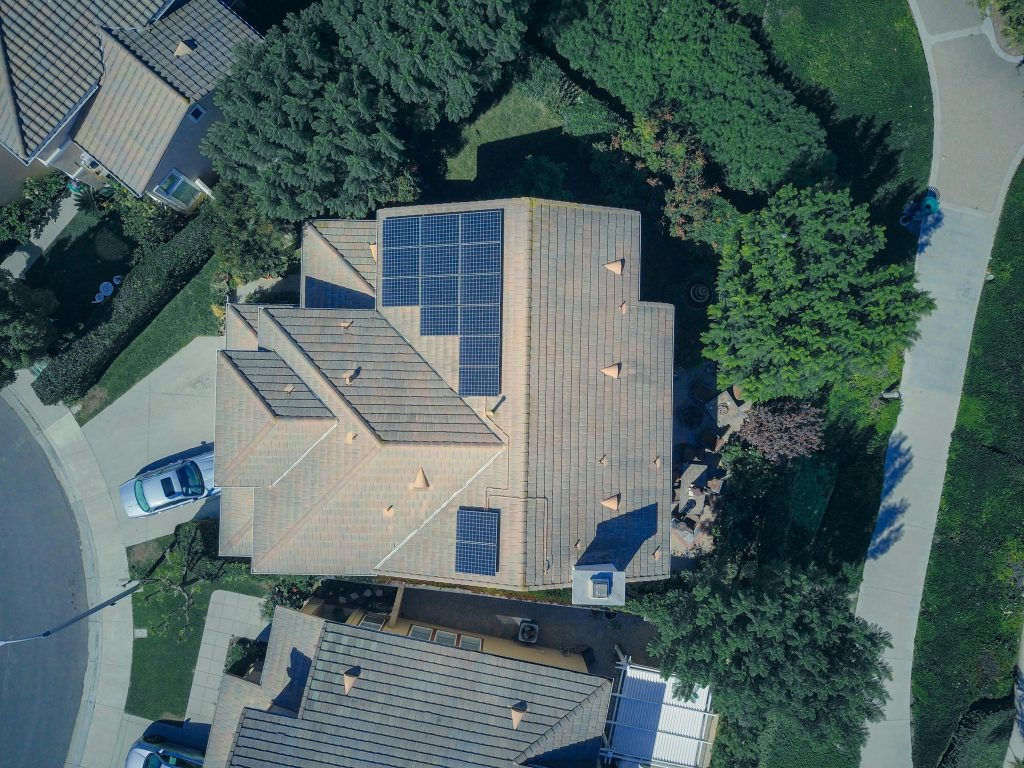
4. Evaluate solar and backup separately. A national AI forecast is not a reason to rush into a solar or battery contract. Start with your bill history, roof or site suitability, local rules, outage experience and a written installation quote. For backup planning, identify the essential loads first; our home battery sizing guide explains that decision. Avoid offers promising a particular payback based only on claims that AI will make electricity expensive.
5. Follow the local decision. Look for your utility’s rate notices and your state commission’s or municipal/cooperative provider’s public meeting information. Search for the actual project or proceeding number. Ask whether announced demand is contracted, what infrastructure is needed and how residential impacts are calculated. Participation procedures and deadlines vary; use the current official notice.
Does rising AI demand mean more blackouts?
A national consumption forecast alone cannot establish an outage risk for your home. That requires local grid and utility information. Treat an official outage alert or emergency notice differently from a headline about future demand. Do not buy equipment on the premise that a specific outage is inevitable when the evidence only describes a possible increase in electricity use.
Bottom line
AI’s electricity footprint deserves attention, but the most useful homeowner response is not panic shopping. Check the evidence date, distinguish forecasts from operating demand, understand your tariff, and ask who bears new infrastructure costs. Those steps remain useful whether data-center growth ends up near the low or high end of today’s scenarios.