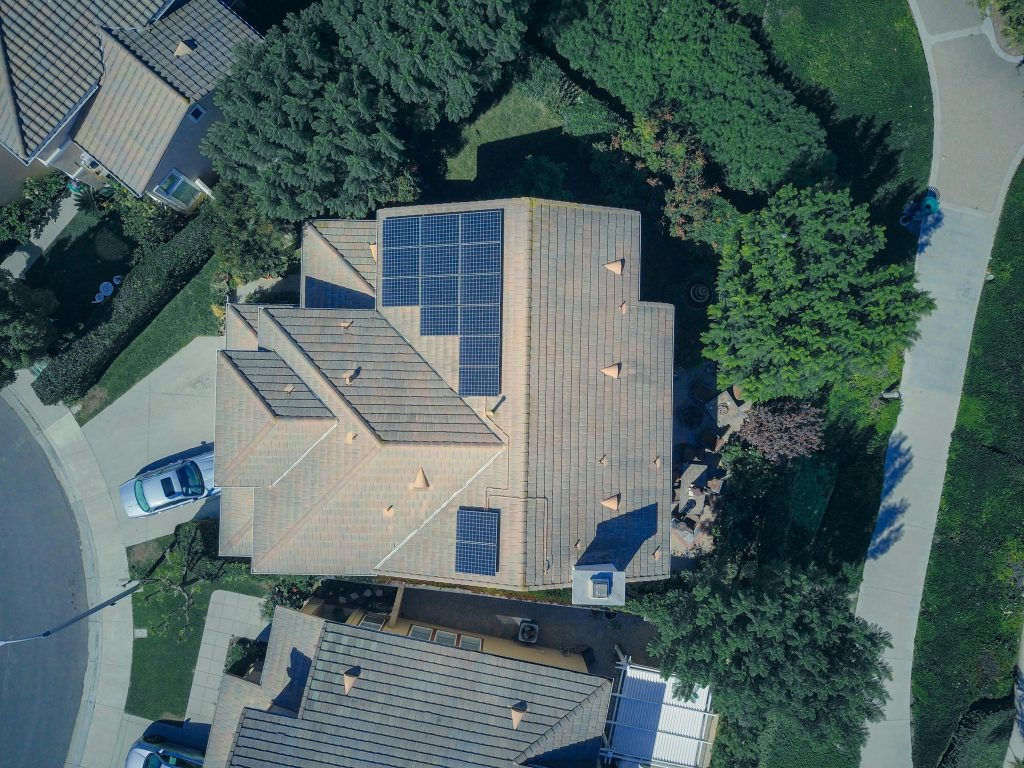
Before buying a heat pump, solar panels or another energy-saving device, get clear about the problem you want to solve. A cold bedroom, a high bill and a need for outage backup are different problems. A home energy assessment can help turn those concerns into a prioritized improvement plan rather than a shopping list.
Editorial note: This guide draws on U.S. Department of Energy, ENERGY STAR and Federal Trade Commission guidance. It does not claim firsthand testing and contains no affiliate product links.
1. Define the assessment before booking
Ask what the visit includes, who performs it and what you receive afterward. ENERGY STAR describes a whole-home assessment that combines an interview, energy-use history, visual inspection and diagnostic testing. A short sales visit is not automatically equivalent to that scope.
Request a written answer to these questions: Will the assessor examine the building enclosure and heating and cooling systems? Which tests are included, and which cost extra? Will findings come with measurements, photographs and a written priority list? Does the assessor also sell the recommended work?
The FTC recommends checking with your utility about assessments or referrals and researching providers before hiring. Ask about the complete fee and any conditions on a discounted visit. Do not assume a free assessment includes the same tests as a comprehensive paid service.
2. Prepare a household problem list
Write down where and when you notice drafts, condensation or uncomfortable temperatures. Gather recent energy bills and tell the assessor about occupancy patterns and planned equipment changes. The goal is to explain how the house actually works for you, not to present an idealized version of your habits.
Our suggested briefing is one page: your three biggest concerns, rooms affected, relevant bills, equipment you expect to replace and your budget range. Separate essential repairs from optional upgrades. If your main concern is backup power, say so explicitly rather than letting it get lost in a discussion about lower energy use.
3. Understand what the tests can show
The DOE home energy assessment guide (PDF) explains that a calibrated blower door can measure a home’s air leakage. An uncalibrated fan can help locate leaks but cannot provide the same measurement. Infrared imaging shows temperature differences that may help an assessor investigate insulation or leakage problems; it is not an X-ray of the wall.
Ask which tests suit your home and why. Request an explanation of the readings, not just a thermal image or a single score. Leave pressure testing, combustion-safety checks and electrical work to qualified professionals. This checklist is not a procedure for carrying out those tests yourself.
4. Ask for a decision-ready report
A useful report should connect each recommendation to an observed condition. Ask the assessor to distinguish urgent health or safety findings, comfort improvements and measures intended mainly to reduce energy use. ENERGY STAR’s assessment framework prioritizes recommendations using safety, comfort and cost-benefit considerations.
For each proposed project, ask: What problem does it address? What evidence supports it? What must happen first? What assumptions underpin any savings estimate? Who will verify the completed work? Keep quotes and estimated savings separate from guarantees, and ask for exclusions in writing.
If two recommendations conflict, do not resolve the difference by choosing the larger discount. Ask each provider to explain the underlying finding and proposed sequence. The FTC cautions against pressure to buy quickly and recommends getting promised savings in writing.
5. Choose the sequence, not just the equipment
Air leaks and inadequate insulation can affect comfort and energy use, as ENERGY STAR’s sealing and insulation guidance explains. Ask how enclosure repairs, ventilation needs and equipment replacement should fit together in your particular house. There is no universal shopping order that substitutes for that evaluation.
Once you have a prioritized plan, compare proposals against it. If solar is on the list, use our solar proposal checklist to examine the offer rather than treating the assessment as an endorsement of a particular installer.
The takeaway
Book a defined scope, prepare your concerns and ask for evidence you can use. The best next step is not necessarily the newest device. It is the project that addresses a documented problem, fits your priorities and has a clear way to check the result.