
Hydrogen can power vehicles through fuel cells, but its value depends heavily on where the hydrogen comes from, how it is delivered, and which transportation job it is trying to solve. Fuel-cell electric vehicles produce electricity onboard from hydrogen and have no harmful tailpipe pollutants, but hydrogen production and distribution can still create greenhouse-gas emissions.
That distinction matters. Hydrogen is an energy carrier, not automatically a zero-carbon fuel.
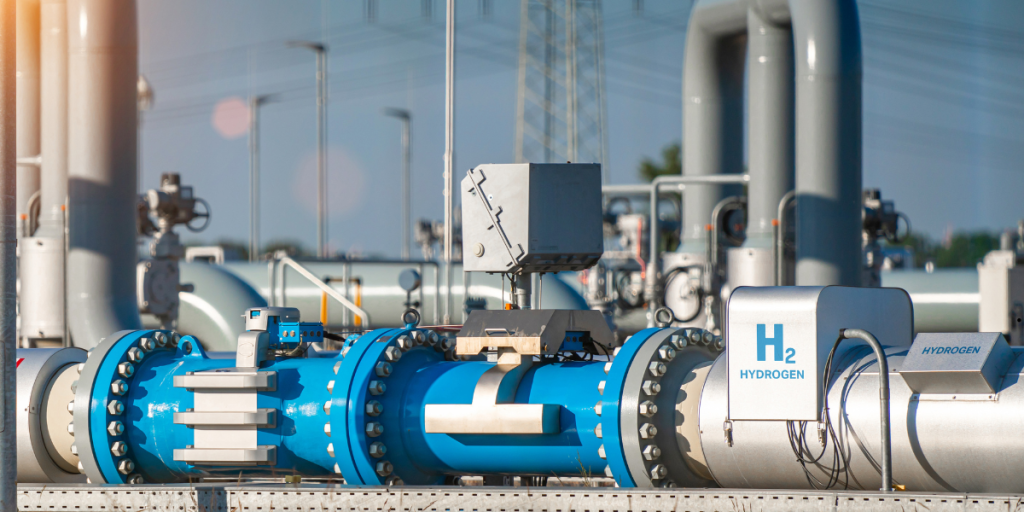
How hydrogen fuel-cell transportation works
A fuel-cell electric vehicle stores compressed hydrogen onboard. A fuel cell combines hydrogen with oxygen to produce electricity, which powers an electric motor. At the vehicle, the main outputs are water vapor and heat rather than carbon dioxide, soot or other harmful tailpipe pollutants.
Hydrogen can also be burned in an engine or turbine, but combustion is a different pathway and can produce nitrogen oxides. This guide focuses primarily on fuel-cell transportation.
Tailpipe emissions are not the whole climate story
The U.S. Department of Energy’s Alternative Fuels Data Center emphasizes that hydrogen can be produced from multiple feedstocks and energy sources. Lifecycle emissions therefore vary. Hydrogen made with low-carbon electricity can have a very different footprint from hydrogen produced from fossil fuels or from electrolysis using a carbon-intensive grid.
When comparing hydrogen with battery-electric or combustion vehicles, look beyond the exhaust pipe and ask about production, compression or liquefaction, delivery, storage and vehicle efficiency.
Where hydrogen transportation stands in 2026
Light-duty fuel-cell cars remain available only in select markets with fueling infrastructure. DOE describes U.S. fuel-cell vehicle and fueling deployment as being in an early stage, with availability concentrated in limited regions.
The more active development case is medium- and heavy-duty transportation. DOE programs are demonstrating fuel-cell trucks and high-flow fueling systems, where fast refueling, range and payload considerations may make hydrogen worth evaluating. Other heavy-duty uses such as buses, rail, marine and off-road equipment are also being studied.
Why heavy-duty applications get attention
- Fast refueling: Hydrogen can be dispensed quickly when suitable high-throughput infrastructure exists.
- Range and payload: Some high-utilization fleets may value onboard energy storage with less mass than very large battery packs, although the full vehicle and infrastructure tradeoff is application-specific.
- Centralized fleets: Trucks or buses returning to depots can be easier to support with dedicated fueling than a nationwide consumer network.
- Local air quality: Fuel-cell vehicles have no harmful tailpipe pollutants.
The major limitations
Fueling infrastructure
Hydrogen needs production, transport, compression or liquefaction, storage and dispensing equipment. DOE identifies infrastructure expansion and high-throughput fueling as continuing development needs, especially for heavy-duty transport.
Energy efficiency
Making hydrogen, conditioning it, transporting it and converting it back to electricity introduces losses. That means hydrogen should not be assumed to be the most energy-efficient option whenever direct electrification is practical.
Storage
Hydrogen has high energy content by mass but low density by volume. Vehicle systems therefore use high-pressure tanks or other specialized storage approaches. DOE continues to identify onboard hydrogen storage as a technological and cost challenge.
Climate impact varies by production pathway
Calling all hydrogen “green” is inaccurate. Renewable-powered electrolysis is one low-carbon pathway, but the actual climate benefit depends on the electricity source, equipment, methane leakage where fossil feedstocks are used, and the full supply chain.
Hydrogen vs. battery-electric vehicles
There is no universal winner for every transport segment. Battery-electric vehicles have the advantage of using electricity directly and already have broad charging infrastructure in many markets. Hydrogen may be worth evaluating for certain high-utilization, long-range or heavy-duty fleets where refueling time, route structure and payload create different constraints.
A credible comparison should use the same duty cycle and include vehicle cost, fuel or electricity price, infrastructure cost, uptime, payload, range, maintenance and lifecycle emissions.
What consumers should know
For most U.S. drivers, hydrogen-car shopping is still constrained by local vehicle and fueling availability. Before considering a fuel-cell vehicle, check current stations in the exact area where the vehicle will operate and confirm whether those stations are accessible, reliable and compatible with the vehicle.
Primary sources
- U.S. DOE Alternative Fuels Data Center: Fuel Cell Electric Vehicles
- U.S. DOE Alternative Fuels Data Center: Fuel Cell Vehicle Emissions
- U.S. DOE: Hydrogen Transportation Systems Development
- U.S. DOE Hydrogen Program: Hydrogen Storage
Bottom line
Hydrogen fuel cells can provide zero-pollutant tailpipe operation and may fit some heavy-duty transportation needs, but hydrogen is not automatically zero-carbon and it is not a blanket replacement for battery-electric vehicles. The strongest case is where a specific duty cycle justifies the infrastructure and efficiency tradeoffs.