Sustainable living works best when it is treated as a set of practical decisions rather than a test of personal purity. The highest-value changes depend on your home, transportation, diet, local utilities and budget.
Start with the largest resource uses you can actually measure, make one change at a time, and check whether it delivered the result you expected.

12 practical changes that can matter
1. Start with your actual utility data
Pull 12 months of electricity, gas and water bills if you can. A baseline tells you whether heating, cooling, hot water, irrigation or another load deserves attention first. DOE recommends an energy assessment as a useful starting point for identifying where a building wastes energy.
2. Seal obvious air leaks before buying bigger equipment
Weatherstripping, caulk and targeted air sealing can improve comfort and reduce heating and cooling losses. For larger projects, pair air sealing with appropriate insulation and ventilation rather than sealing blindly.
3. Improve heating and cooling thoughtfully
When HVAC equipment reaches replacement age, compare efficient heat pumps and other options using your climate, fuel prices and home load. A smart thermostat can help control HVAC, but it does not fix an oversized system or a poorly insulated house.
See our Practical Eco-Friendly Home Technologies.
4. Evaluate solar with site-specific numbers
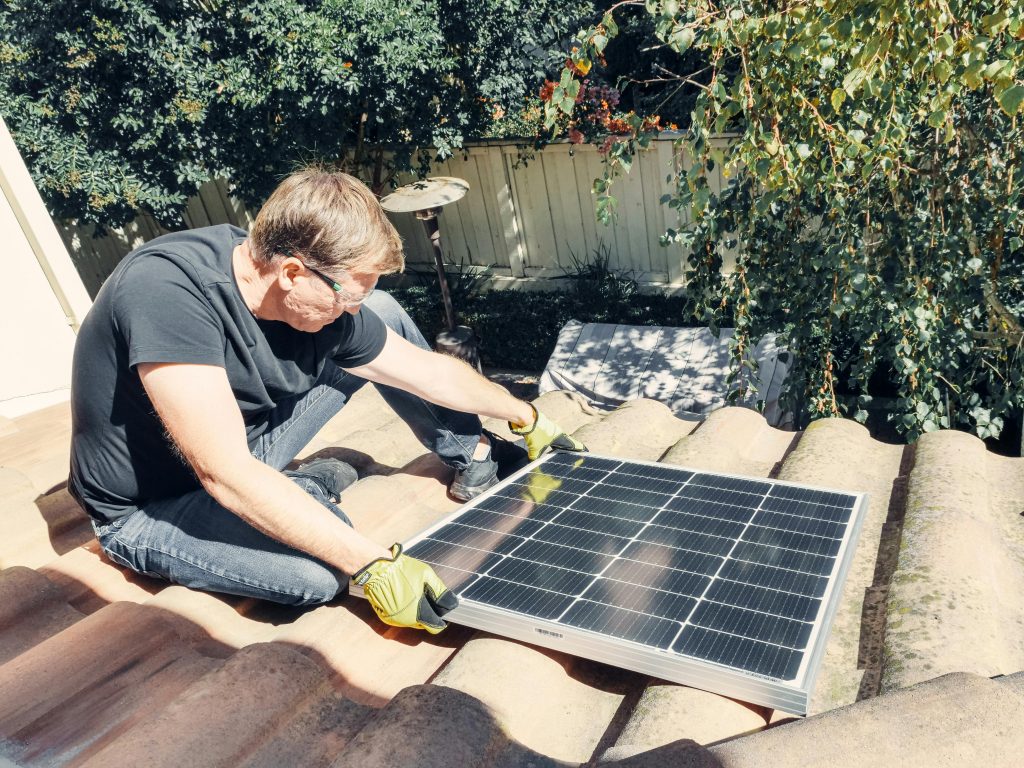
Rooftop solar can be valuable, but not every roof or financing offer is good. Compare usable roof area, shading, production assumptions, utility rates, ownership terms and total installed cost. Avoid “solar always pays for itself in X years” claims.
Start with Home Solar and Solar Costs in 2026.
5. Reduce unnecessary driving where it is practical
Combining errands, walking, cycling, transit, carpooling or remote work can reduce fuel use without requiring an immediate vehicle purchase. The best option depends on safety, distance, schedule and local infrastructure.
6. Consider an EV when your next vehicle decision arrives
An EV can reduce gasoline use and tailpipe pollution, but purchase price, insurance, charging access, electricity rates, climate and driving pattern all matter. Plan home charging as part of the electrical system rather than treating the charger as an isolated gadget.
See EV & Home Energy.
7. Prevent food waste before worrying about perfect packaging
Meal planning, checking what you already own, freezing food before it spoils and serving realistic portions can save both food and money. EPA places prevention at the top of its Wasted Food Scale because it avoids the land, water, energy and money embedded in food that never gets eaten.
8. Shift some meals toward plant foods if it works for you
Beans, lentils, grains, vegetables, nuts and other plant foods can replace some higher-impact foods without requiring an all-or-nothing diet identity. Nutrition needs and preferences vary, so build meals you will actually continue eating.
9. Compost unavoidable food scraps where accepted
EPA notes that food and other organics generate methane when they decompose anaerobically in landfills. Home, community or municipal composting can divert compatible scraps, but follow the rules of the specific composting system.
See What Is Compost?
10. Use water more efficiently
Fix leaks, run full appliance loads when practical and choose WaterSense labeled fixtures or irrigation controls when replacing equipment. The WaterSense label indicates independent certification for water efficiency and performance.
11. Buy fewer products, and keep them longer
Durability, repairability, warranties and secondhand availability can matter more than an “eco” label. For recycled products, look for exact material percentages and product-level evidence rather than vague sustainability language.
See Recycled Textile Products: What to Look For in 2026.
12. Recycle according to local rules
Recycling programs differ by municipality and material. Avoid “wish-cycling” items that your local program does not accept; contamination can make recovery harder. When possible, reduce or reuse before recycling.
What to avoid
- Universal savings percentages: energy and water savings depend on the baseline and installation.
- Buying a gadget before identifying the problem: measurement often beats novelty.
- Replacing durable items solely to buy a greener version: use the remaining life of an existing product when that makes sense.
- Confusing marketing labels with verification: look for specific claims, standards and certification scope.
- All-or-nothing thinking: prioritize changes you can maintain.

A simple 30-day starting plan
Week 1: Measure
- Collect recent utility bills.
- Check for obvious water leaks and drafts.
- Inventory food before your next grocery trip.
- Pick one recurring car trip that has a realistic alternative.
Week 2: Fix low-cost waste
- Replace failed or heavily used incandescent/halogen bulbs with efficient LEDs.
- Correct thermostat schedules that heat or cool an empty home unnecessarily.
- Seal simple door or window leaks that can be addressed safely.
- Freeze or plan meals around food likely to spoil.
Week 3: Research one larger decision
- Get a home energy assessment, HVAC estimate, solar proposal or EV-charging plan based on whichever category your data says matters most.
- Compare at least two options using total cost and compatibility, not just a rebate or headline savings claim.
Week 4: Check the result
- Review what was easy enough to maintain.
- Track the relevant bill or meter rather than assuming the change worked.
- Keep the effective changes and drop the ones that add complexity without measurable value.
Primary resources
- U.S. DOE Energy Saver: Energy Efficiency
- U.S. EPA: Preventing Wasted Food at Home
- U.S. EPA: Composting
- U.S. EPA WaterSense
Bottom line
Sustainable living is most effective when it becomes ordinary household management: understand the baseline, reduce obvious waste, make large purchases carefully, and verify the results. You do not need a constant stream of new “green” products to make meaningful improvements.