Are you wondering what geothermal energy systems are and how they can benefit your home? Geothermal energy systems use the Earth’s steady underground temperature to heat and cool buildings efficiently, making them a clean, renewable alternative to traditional HVAC. This article explains how geothermal systems work, the types available, benefits, costs, installation steps, and maintenance tips, so you can understand whether they’re the right sustainable solution for your home.
What is Geothermal Energy and How Does it Work for Homes?
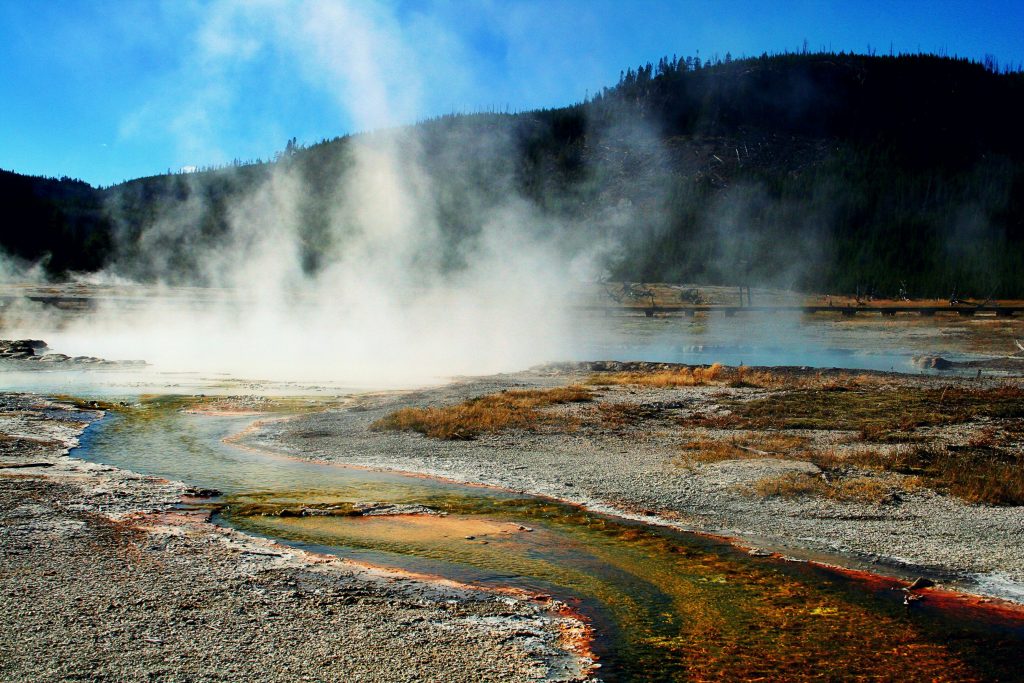
Geothermal energy harnesses heat stored beneath the Earth’s surface. Unlike solar or wind, it provides a constant and reliable energy source year-round.
A home geothermal system exchanges heat with the ground through underground pipes, known as a ground loop. In winter, the system absorbs underground heat and transfers it indoors; in summer, it removes indoor heat and releases it into the earth. A geothermal heat pump acts as the central unit, making the system efficient and environmentally friendly.
For a deeper technical explanation, see the U.S. Department of Energy’s overview.
Types of Geothermal Ground Loops
Choosing the right loop system is essential for efficiency:
- Closed-Loop Systems: Circulate fluid in a sealed underground loop. Variations include horizontal, vertical, and pond/lake systems, depending on land and soil conditions.
- Open-Loop Systems: Use groundwater from a well or pond as the heat exchange medium. They require specific conditions and permits.
Key Benefits of Geothermal Heating and Cooling
Geothermal energy systems stand out for their advantages:
- High Energy Efficiency: Transfer 3–5 units of energy for every unit consumed.
- Lower Long-Term Costs: Reduced monthly utility bills offset higher installation costs.
- Environmental Benefits: Lower reliance on fossil fuels and reduced carbon footprint.
- Durability: Ground loops last 50+ years; heat pumps 20+ years.
- Quiet Operation: Unlike noisy HVAC units, geothermal systems run silently.
- Consistent Comfort: Deliver stable indoor temperatures in all seasons.
Geothermal System Costs and Incentives
Geothermal project cost varies substantially with home load, loop type, drilling or trenching conditions, ductwork, permitting, and local labor. Obtain a site-specific load calculation and multiple written proposals rather than relying on a national range. Incentives can significantly reduce this expense:
- Federal homeowner credit: The IRS says the Residential Clean Energy Credit is not available for expenditures made after December 31, 2025. Verify any business, state, local, or utility incentive separately before including it in project economics.
- Local Incentives: Many states and municipalities provide rebates and grants. Check resources like the Database of State Incentives for Renewables & Efficiency (DSIRE) to explore options.
Geothermal Installation Process
Installing a system involves:
- Site Evaluation: Assess property conditions and geology.
- System Design: Custom layout based on your home’s needs.
- Ground Loop Installation: Drilling or trenching for pipes.
- Heat Pump Setup: Install indoors and connect to ductwork.
- Testing: Ensure efficiency and correct operation.
Maintaining a Geothermal System
Maintenance is minimal compared to traditional HVAC:
- Inspect and clean heat pump filters.
- Monitor ground loops for leaks or damage.
- Schedule an annual professional check-up.
Enhance Performance with Smart Products
Keep your system efficient with helpful tools:
Geothermal Energy: A Smart Investment for the Future
Installing a geothermal energy system means investing in both your home and the planet. With lower utility bills, long-lasting equipment, and significant environmental benefits, these systems are a reliable, sustainable solution. If you’re ready to explore renewable options, contact a licensed geothermal installer and start planning your transition today.