Many California households opened a 2026 electric bill and saw a new fixed line item, a different per-kilowatt-hour price, or both. The change can be confusing because a bill can go down in one area and up in another. It also affects how homeowners think about efficiency, EV charging, solar and batteries.
What is the Base Services Charge?
The CPUC approved a new billing structure for PG&E, SCE and SDG&E that moves part of utility fixed costs into a residential Base Services Charge and reduces volumetric rates compared with what they otherwise would have been. SCE and SDG&E implemented the structure in late 2025; PG&E followed in 2026.
SCE currently lists approximate monthly charges of:
- $6 for CARE customers;
- $12 for FERA customers and qualifying deed-restricted affordable housing;
- $24 for other residential customers.
The charge is not based on how many kilowatt-hours you use during the month. That does not make conservation pointless. Energy use, time of use and tier placement still affect the rest of the bill.
Why average rates do not predict your bill
SCE’s June 1, 2026 advisory listed an average residential rate of 34.4 cents per kilowatt-hour. An average blends multiple rate schedules and customer patterns. Your marginal price can differ by season, tier, baseline allowance and hour.
To understand a bill, separate:
- fixed service or base charges;
- energy charges by tier or time period;
- baseline credits and income-qualified discounts;
- generation charges from a community choice provider, if applicable;
- taxes, fees, Climate Credits and one-time adjustments.
Time-of-use pricing changes the best response
On a time-of-use plan, avoiding one kilowatt-hour during the evening peak can be worth more than avoiding the same amount overnight. SCE’s current residential TOU options include peak windows of 4 p.m. to 9 p.m. and 5 p.m. to 8 p.m. on applicable days.
Low-cost steps come first:
- Use the utility’s personalized rate comparison tool.
- Move EV charging, laundry, dishwashing and pool pumping outside peak hours when practical.
- Measure large loads instead of guessing. A plug-level or circuit-level monitor can help.
- Fix failing HVAC, duct, insulation or water-heating problems before buying generation to cover waste.
- Compare a battery only after estimating the peak-period energy you actually want to shift.
See our comparison of current home energy monitors for measurement options.
What the 2026 California Climate Credit does
SCE says residential customers receive a $36 California Climate Credit on August and September bills in 2026. The credit is automatic, although billing cycles may move the visible credit to a neighboring month. Treat it as periodic relief, not a permanent reduction in the underlying rate.
How the new structure affects solar
A fixed charge means a solar system should not be marketed as eliminating the entire utility bill. Solar can still reduce purchased energy, but the value depends on when electricity is produced and consumed.
For new customers under the Net Billing Tariff, solar used directly in the home generally avoids retail purchases. Exported solar receives an hourly credit reflecting grid value, which is usually lower. A battery may move midday production into evening use, but the added equipment and financing cost must be compared with the expected rate savings.
How the new structure affects renters and non-solar households
You do not need rooftop solar to respond intelligently to the bill. Renters and homeowners can:
- verify CARE or FERA eligibility;
- compare rate plans using actual interval data;
- enroll in outage and PSPS alerts;
- shift flexible loads;
- use smart thermostats and appliance scheduling carefully;
- look for utility rebates before replacing equipment;
- ask a landlord about weatherization or heat-pump upgrades when persistent building problems drive usage.
Five numbers to bring to a solar or battery conversation
- Your total electricity use for the last 12 months.
- Your highest summer month.
- Your evening peak-period use, if available.
- Your exact rate schedule and utility.
- Your expected new loads, such as an EV, heat pump or electric water heater.
Without those numbers, a proposal may be a sales estimate rather than a household energy model.
Trying to make sense of a California bill?
Convert Green can help organize your utility, usage and project goals before you compare solar or storage options.
Official sources
- CPUC electric rates overview
- SCE Base Services Charge
- SCE Rates Advisory
- SCE time-of-use plans
- SCE 2026 California Climate Credit
- CPUC Net Energy Metering and Net Billing
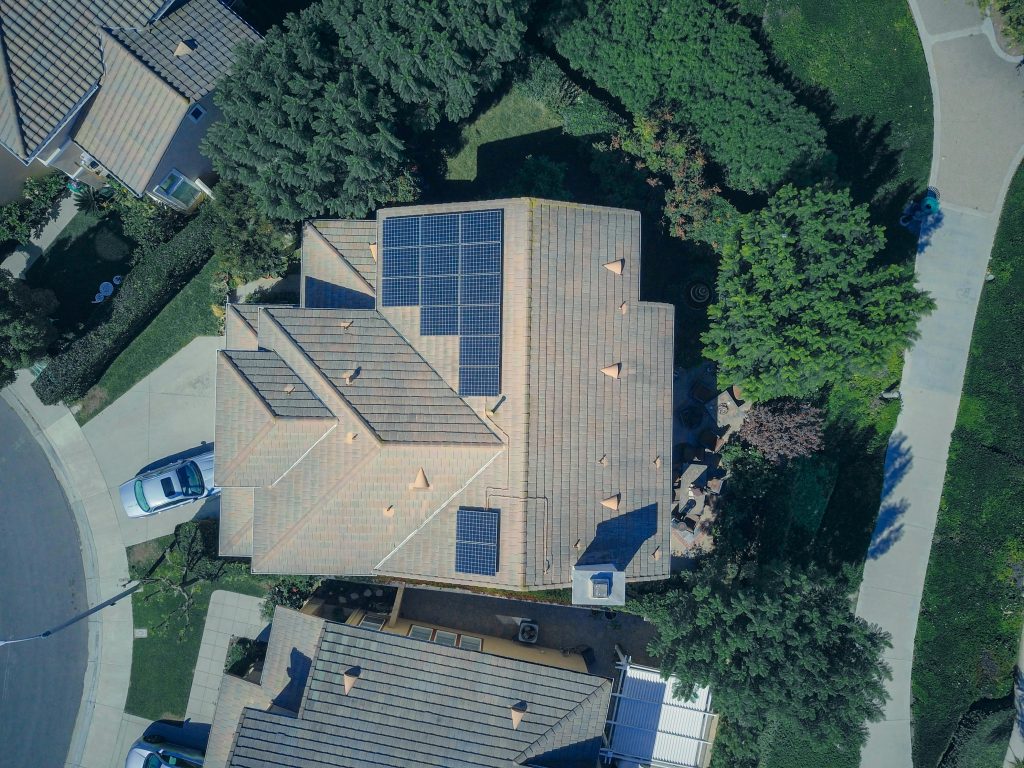
Featured photo: Moses Malik Roldan via Unsplash.