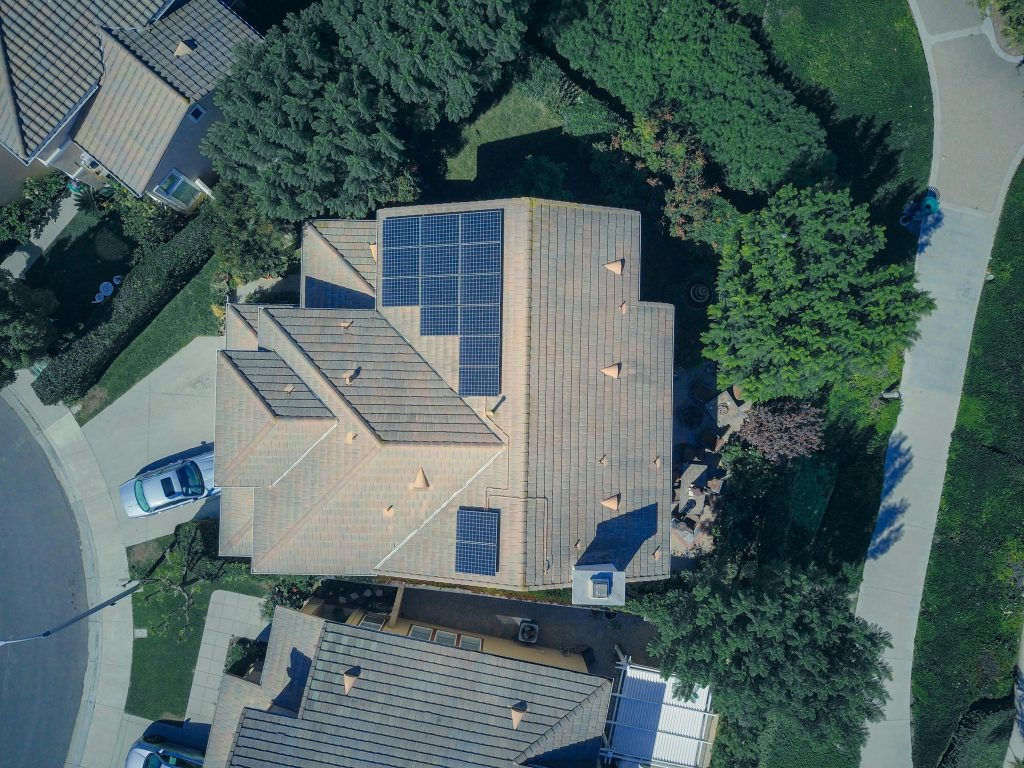
Solar panels can be installed on your roof while the project is still waiting for permission to operate. If that happens, the most useful question is not simply “When will solar be turned on?” Ask which approval or document is outstanding, who is responsible for it, and what happens next.
Sources checked October 30, 2026. This U.S. homeowner checklist is educational guidance, not installation instructions. Your utility and local permitting authority determine the requirements for your address.
Installation, inspection and utility approval are different milestones
The Department of Energy’s rooftop solar guidance describes local permitting, installation, inspection and utility connection as distinct parts of the process. Requirements and fees vary locally. A completed roof installation does not establish that every approval is complete.
Permission to operate, often shortened to PTO, is the utility’s authorization to operate under its requirements. For example, PG&E explicitly tells customers and contractors not to turn on a system before PTO. Follow your own utility’s written authorization and your installer’s approved handover procedure. Do not switch equipment on or change settings to work around a delay.
Keep a simple PTO handoff tracker
Request the following information from your installer. Keep copies of approvals rather than relying only on a verbal “everything is submitted.” This is a practical organizing checklist, not a claim that every utility uses the same forms.
1. Application: Record the utility application number, submission date and current status. Has the utility accepted the application as complete, or requested a correction? Check that the service address and account or meter information identify the right property.
2. Local inspection: Save the permit reference and final inspection result. If corrections are required, identify who will complete them and arrange the next inspection. Ask whether the final approval has also reached the utility.
3. Equipment and operating configuration: Keep the approved equipment list and ask whether it matches what was installed, including any battery. Ask your installer to document the approved export limit and operating mode. A “non-export” label is not a reason to assume utility review is unnecessary.
4. Utility work: Ask whether a study, meter change or distribution upgrade is required. Request the responsible party, cost allocation and next milestone in writing. Distinguish an estimated date from a scheduled appointment or completed task.
5. Completion documents: Confirm who sent the final package and when the utility received it. Ask whether any photographs, inspection evidence, revised drawings or other requested items are still missing.
6. Authorization and handover: Retain written permission to operate and the installer’s operating instructions. Confirm who will explain monitoring, support contacts and the system’s approved operating settings.
Why equipment changes and export limits matter
Utility approval can apply to a particular design. ComEd’s interconnection guidelines, effective November 30, 2024, describe modification requests for equipment changes, agreed export limits and completion evidence before operational approval. They also address project-specific distribution upgrades and construction schedules. These are utility-specific examples; ask your provider which current documents govern your project.
If an inverter or battery is substituted during installation, ask whether the approved application needs updating. Let the installer and utility resolve equipment or control-setting differences. A homeowner should not reconfigure export controls to match a sales promise.
A national grid headline cannot give you a PTO date
The DOE’s discussion of interconnection costs and delays examines proposed generation facilities and transmission-grid studies in PJM and MISO. Those findings do not establish the approval time for a particular rooftop system on a local distribution circuit.
For your project, request a status tied to the application number. Ask: What exact item is outstanding? Who owns the next action? When should I expect the next update? If the installer cannot identify the issue, use the utility’s official interconnection contact to verify status. Do not assume either party has received a document just because the other says it was sent.
Keep the financial and backup questions separate
Before signing, clarify which contract payments or financing obligations begin at installation versus operation. Our solar proposal checklist covers the broader contract questions. Avoid counting savings from an unconfirmed start date.
PTO also does not establish that your home has outage backup. That depends on the equipment and configuration, as explained in our solar power outage guide. A clear approval record and a documented handover are more useful than a promise that every solar installation will work the same way.