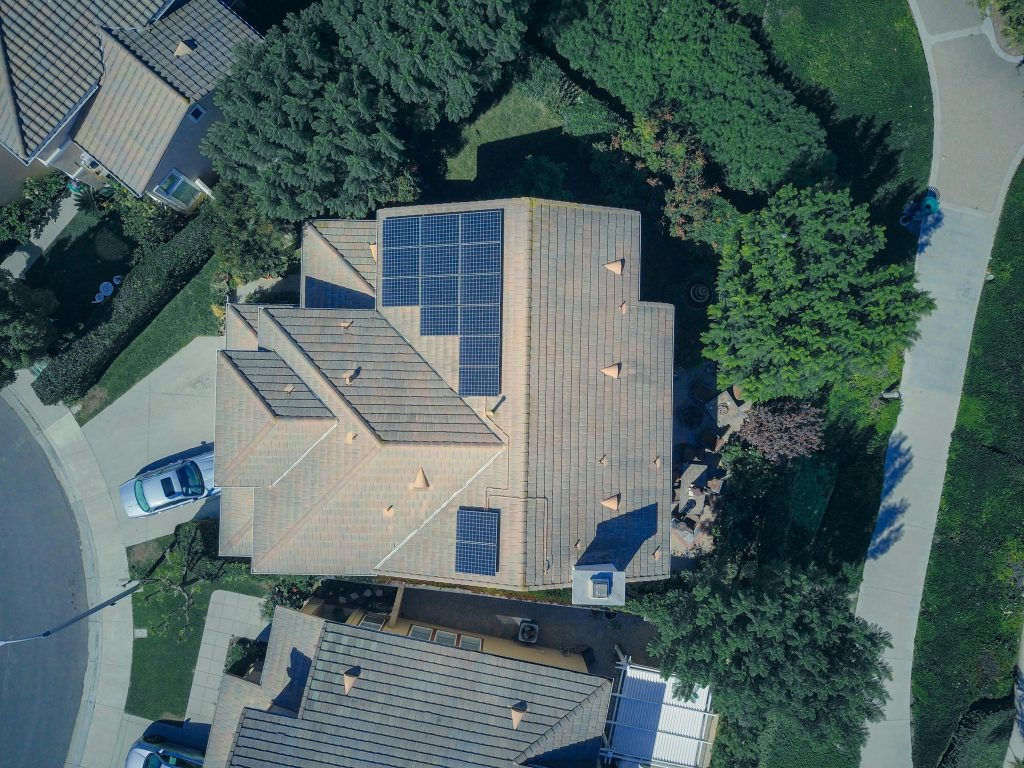
A virtual power plant can turn a home battery or another flexible energy device into part of a coordinated grid resource. Before enrolling, the practical question is what you are agreeing to: who controls the equipment, how much backup energy remains, and whether the reward is worth the costs and restrictions.
Sources checked October 28, 2026. This U.S. homeowner guide explains program terms, not guaranteed earnings or a recommendation to buy a battery. Availability and agreements vary by utility, equipment and address.
What a virtual power plant actually does
A VPP coordinates many distributed energy resources using software and communications. A battery may discharge stored energy; a thermostat or other flexible load may reduce or shift demand instead. Idaho National Laboratory’s January 2026 report, prepared for the Department of Energy, describes this aggregation and control architecture. Participation does not necessarily mean exporting electricity from every home.
Supporting the grid does not promise that your house or neighborhood will stay powered during an outage. Evaluate your home’s backup capability separately: the equipment, configuration, available charge and connected loads still matter. Our home battery sizing guide explains the difference between power and stored energy.
Check eligibility before buying equipment
Start with the official program serving your address. For example, Tesla’s ConnectedSolutions program requires eligible utility service and equipment, with enrollment subject to approval. A compatible brand name alone is not enrollment confirmation. Ask for the exact supported model, required interconnection approval and connectivity requirements in writing.
Reserve and opt-out rules are not universal
ConnectedSolutions allows participants to opt out of individual events and select an Event Backup Reserve. In contrast, the Tesla Electric VPP in Texas says individual dispatch opt-out is unavailable. Its Dynamic and Fixed plans also differ: Dynamic participants can raise their reserve, while Fixed-plan settings may be fixed. These examples show why “you always stay in complete control” is too broad a promise.
Before signing, ask which settings the operator may change, when events can occur, and what happens if you need more backup charge. Distinguish skipping one event from suspending participation or ending the contract. Get the exit procedure and any financial consequences. A reserve percentage is not a guarantee of a particular number of backup hours.
Compare net benefit, not the headline reward
ConnectedSolutions compensation depends on performance. Tesla’s published agreement states that customers receive 80% of earned program compensation and pay for electricity used to charge their devices. That is a program-specific arrangement, not a standard fee or payment rule for all VPPs.
The Tucson Electric Power Energy Storage Rewards FAQ warns that participation can increase grid electricity consumption and on-peak use. It also directs battery owners to their manufacturer for warranty questions. A reward payment therefore should not be treated automatically as net bill savings.
For your comparison, list the expected reward after program fees, additional charging costs, any change to export credits or normal bill savings, and any required subscription or rate-plan change. Ask which amounts are guaranteed and which depend on events or measured performance. Use a conservative scenario with fewer rewards rather than financing equipment on the most optimistic estimate.
A short enrollment worksheet
Keep these answers alongside the current agreement and your equipment warranty:
Equipment and approval: Which model and installation qualify, and who confirms enrollment? Is a different electricity plan required?
Control and backup: What is the event schedule, what reserve applies, and can you skip an event? What happens during an outage or lost internet connection?
Money: How is performance measured, what fees apply, who pays for charging, and when are rewards paid? Does leaving trigger repayment of an incentive?
Data and ownership: What information is shared, with whom, and for how long? What happens if you move, sell the battery or change electricity providers?
Warranty and support: Ask the manufacturer whether the proposed operation fits your warranty, and identify who handles equipment faults versus payment disputes.
When to pause
Wait if the offer depends on an unconfirmed future program, the salesperson cannot provide the current agreement, or a savings estimate ignores charging costs and control restrictions. Existing equipment that qualifies may offer a useful opportunity. Buying an expensive system solely for uncertain VPP income deserves a separate, careful financial comparison.
The best next step is to request the program agreement for your exact address and device, then complete the worksheet before enrolling. No additional gadget is necessary just to evaluate the offer.