Reviewed and updated August 31, 2026. Equipment, utility programs and local electrical requirements can change.
Adding an EV charger, heat pump, induction range, solar array or battery does not automatically mean the house needs a new 200-amp service. It does mean a qualified person must evaluate the existing electrical service, breaker space, calculated load, equipment ratings and local code.
The expensive mistake is buying every device at maximum power before anyone looks at the home as one system.
Start with three different limits
Service capacity
The main breaker rating—often 100A, 125A, 150A or 200A—is an important clue, but not the whole load calculation. Existing heating, cooling, water heating, cooking, dryer and other loads matter.
Panel space
A service can have adequate capacity but no physical breaker positions. A subpanel or listed tandem breaker may address space in some installations, but only when the panel and code allow it.
Feeder and branch-circuit capacity
An EV charger or heat pump needs appropriately sized conductors, overcurrent protection and disconnects. The route from panel to equipment can be a larger cost than the device.
EV charging rarely needs the car’s maximum rate
ENERGY STAR recommends starting with daily miles and vehicle type. Many drivers can recover a normal commute overnight at a lower Level 2 setting; plug-in hybrids may be adequately served by Level 1. Charger power should be chosen around the energy needed before the next departure, not the highest number on the vehicle specification.
A smart charger or energy-management system may reduce charging when the home is near its limit. The ChargePoint Home Flex installation guidance explains adjustable Level 2 hardware, but a licensed electrician must match the final setting, circuit and installation method to the home and local rules.
Heat pumps can fit homes that already have central air
ENERGY STAR notes that homes already equipped with central air may not need an electrical upgrade merely to switch to a heat pump. The real question is the selected equipment’s nameplate load, auxiliary heat strategy and the rest of the home.
Cold-climate designs that rely on large electric-resistance backup can create a very different peak than systems designed with smaller staged backup or dual-fuel operation.
Solar and batteries add generation, storage and backup hardware
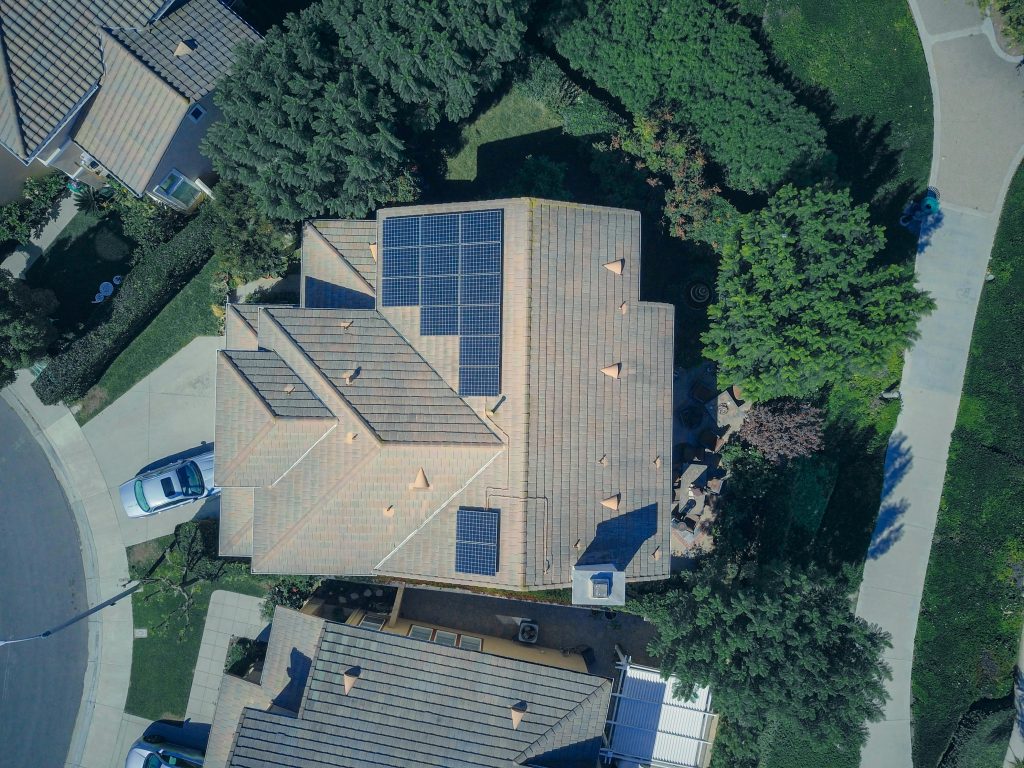
Grid-tied solar uses an inverter and interconnection equipment. Battery backup may add a gateway, transfer device, backup subpanel or load controls. The layout can sometimes avoid serving every circuit during an outage, reducing battery and inverter requirements.
Coordinate solar, storage, EV and future heat-pump plans before replacing the panel. A project designed in isolation can consume the breaker space or service capacity the next project needs.
Use measurement to improve the discussion
A circuit-level monitor does not replace a code load calculation, but it can show real peaks, identify large loads and help evaluate scheduling or managed charging.
- Emporia Vue 3 with circuit sensors (paid link) measures mains and selected branch circuits. Installation takes place inside the electrical panel; use a qualified electrician if you are not trained and permitted for that work.
We removed older Sense and Schneider Wiser purchase links from this guide because those consumer-monitor recommendations are no longer current. For the updated alternatives and their tradeoffs, see our 2026 home energy monitor comparison. Verify panel compatibility, sensor count, app requirements and solar support before buying.
Alternatives to a full service upgrade
Depending on the home and local authority, a qualified designer may consider:
- Lower EV charging current
- Managed EV charging that responds to total home load
- Scheduling water heating, laundry or charging
- A smart switch that prevents two large loads from operating together
- A backup-load subpanel rather than whole-home battery backup
- A subpanel for breaker space when service capacity is adequate
- High-efficiency equipment with lower electrical demand
These are design options, not DIY instructions. The equipment must be listed for the application and accepted by the local authority and utility where applicable.
When an upgrade is still the right answer
A service upgrade may be appropriate when the existing service is small, damaged or obsolete; the calculated load exceeds capacity; required breaker space cannot be created safely; the utility service or meter needs replacement; or the household plans multiple large electric loads that cannot be reasonably managed.
Ask the electrician to separate required work from optional future-proofing. That makes it easier to compare bids.
Bring this information to the estimate
- Photo of the main panel label and breaker layout
- Main breaker rating and utility account information
- Major appliance list and fuel types
- EV model, daily miles and overnight parking window
- Heat-pump or appliance model being considered
- Current or planned solar and battery equipment
- Any outage-backup priorities
- Known permit, HOA or utility constraints
Plan the upgrades together
ConvertGreen’s home-energy path is designed to collect solar, battery and EV-charging intent in one request. No panel recommendation can be guaranteed without the home-specific electrical review.