The most useful “green home technology” is not necessarily the newest gadget. Start with the systems that use the most energy or water, measure your baseline, and then choose upgrades that solve a real constraint in your home.
For most households, the strongest candidates are weatherization, efficient heating and cooling, water heating, solar where the site works, batteries where backup or rate management has value, EV charging, energy monitoring, smart controls and efficient irrigation or plumbing fixtures.
1. Heat pumps and building efficiency
Heat pumps move heat rather than creating it with electric resistance. The U.S. Department of Energy describes modern heat pumps as an efficient heating-and-cooling option across a wide range of climates, including cold-climate models designed for low temperatures.
Before sizing equipment, address obvious air leakage and insulation deficiencies and have the home load calculated. Oversizing, poor ductwork or a weak building envelope can reduce comfort and erase some of the expected benefit.
2. Smart thermostats and controls
A smart thermostat does not create energy by itself; it controls heating and cooling equipment. ENERGY STAR certified smart thermostats are independently certified using field data to demonstrate energy savings. The best fit depends on HVAC compatibility, wiring, occupancy patterns and whether features such as remote sensors or utility demand-response programs are useful to you.
ENERGY STAR smart thermostat guidance
3. Home energy monitoring
Energy monitors and metering smart plugs help answer a basic question: where is the electricity going? Whole-home or circuit-level systems can reveal HVAC, EV, water-heating and appliance loads; plug-level meters are useful for individual devices.
Monitoring is most valuable when it changes a decision—finding an abnormal load, shifting usage to a cheaper time, sizing solar or batteries, or confirming whether an efficiency upgrade actually reduced consumption.
See our 2026 home energy monitor comparison.
4. Rooftop solar and home batteries
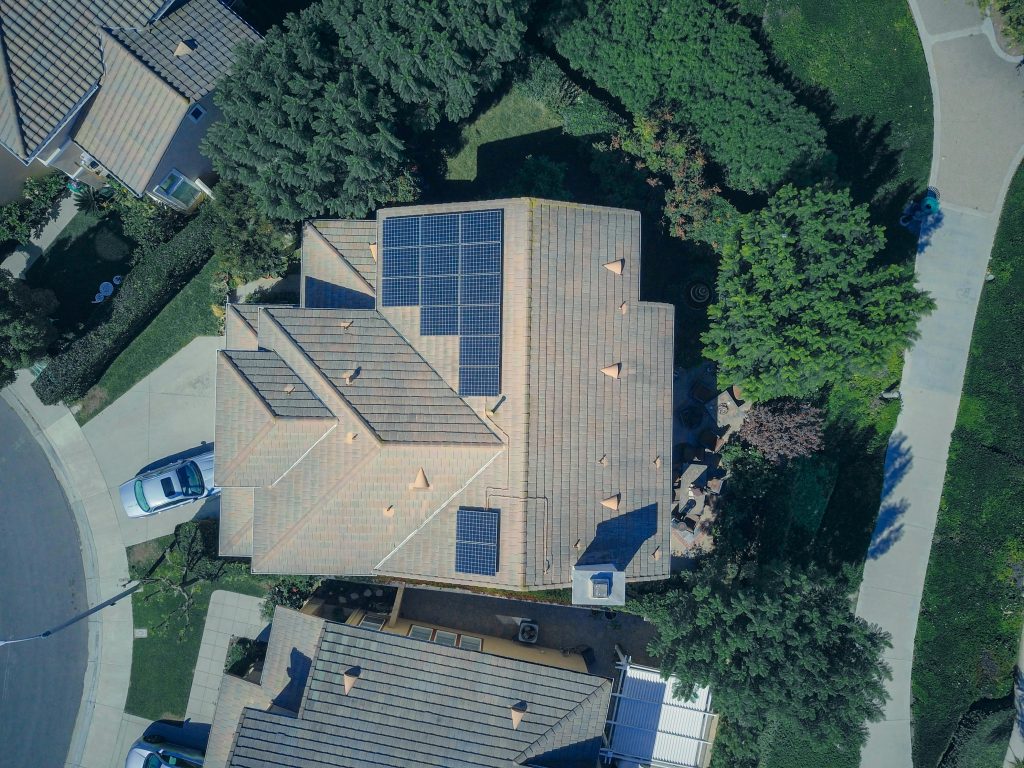
Solar economics depend on roof or site conditions, local electricity prices, utility rules, financing and the installed price. A battery is a separate decision: it may add outage resilience, increase solar self-consumption or help with time-of-use rates, but it also adds cost and has power and capacity limits.
Do not buy either system from a generic national savings claim. Compare site-specific production, usable battery capacity, inverter power, warranties and the actual utility tariff.
5. EV charging as part of the home electrical system
A Level 2 charger can be convenient, but the charger should be planned with the service size, panel capacity, other large loads, charging schedule and vehicle requirements. Some homes can add charging with straightforward circuit work; others may benefit from load management or an electrical-service upgrade.
Solar can offset some EV charging energy, but pairing an EV with solar does not make charging carbon-free in every hour or season. The actual result depends on when the vehicle charges, how much solar is produced and what the grid supplies at other times.
See our EV & Home Energy planning hub.
6. WaterSense irrigation controls
Outdoor irrigation is a major residential water use. EPA WaterSense labels weather-based and soil-moisture-based irrigation controllers that are independently certified for efficiency and performance. EPA estimates that replacing a standard clock-based controller with a WaterSense labeled controller can save an average home with automatic irrigation up to about 15,000 gallons of water per year.
That is an average program estimate, not a promise for every yard. Savings depend on climate, landscape, existing overwatering and correct installation and programming.
EPA WaterSense irrigation controller guidance
7. Water-efficient fixtures before complicated reuse systems
WaterSense labeled faucets, showerheads, toilets and other fixtures are independently certified to meet EPA efficiency and performance criteria. These are often simpler first steps than a custom greywater system.
Greywater reuse can be useful in some locations, but plumbing rules, treatment requirements and permitted uses vary. Do not assume a generic “40% savings” figure applies to your home; check local code and model the actual end uses.
How to prioritize upgrades
- Start with 12 months of electricity, gas and water bills if available.
- Identify the largest loads and the problems you actually want to solve: cost, comfort, outage resilience, emissions or water use.
- Fix low-cost building-envelope or maintenance issues before buying equipment that may be oversized because of them.
- Check incentives and utility rates, but do not let an incentive justify a weak project.
- Compare total installed cost, expected life, maintenance, compatibility and measurable benefit.
- Re-measure after installation to confirm the upgrade delivered what you expected.
Bottom line
The practical green home is a system, not a pile of gadgets. Measure first, improve the building and major loads, then add controls, solar, storage or water technology where the economics and use case make sense.